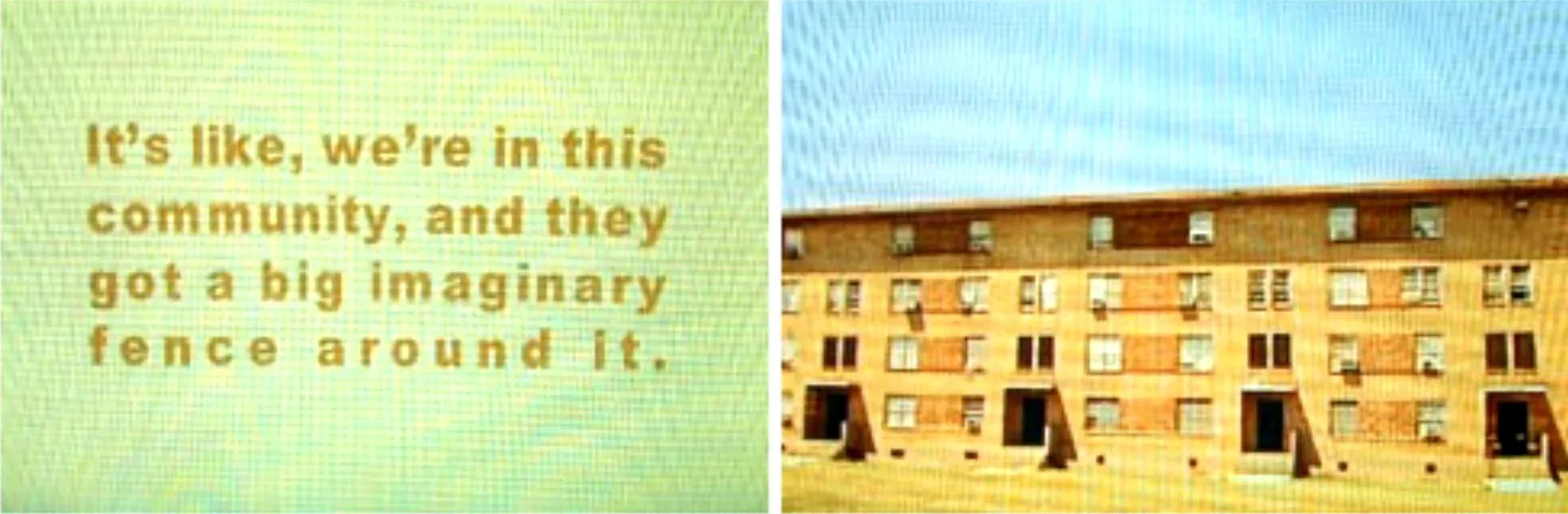
AN INCIDENT AT THE CALLIOPE
Directed / Produced by Ashley Hunt
The Corrections Documentary Project
2005 / 8 Minutes
"That was the fastest they ever let anyone off the car!"
"Yeah, we ought to have everyone back here with cameras!"
In the spring of 2002, while shooting for CLOSE TALLULAH NOW! in New Orleans, we were brought over to the Calliope housing projects to interview some of its residents about the police presence there, especially about a controversial police force called “Safe Home,” who had a reputation in the community for harassment, racial profiling and brutality — often arresting them for “trespassing.”
As we wait for one of our interviewees to join us, two black unmarked cars pull up onto the lawn and grab him and another resident random searches. Once our presence and our camera was pointed out to the officers, they handed him back his wallet in what was apparently "the fastest they ever let anyone off the car!"
An accidental circumstance of counter-surveillance to keep state power in check, it is a brief glimpse of the flexing of state power in communities whose voice is more criminalized than listened to and respected, it predicts the power of wide spread counter-surveillance that begins with camera-equipped cellphones and social media in the late 2000s/early 2010s.
MORE
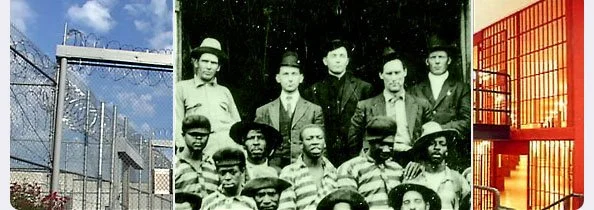
A one hour documentary about the privatization of U.S. prisons, where privatization reveals itself as just one piece of a larger puzzle in which a number of politicians, businesses and state interests desire a growing prison system.
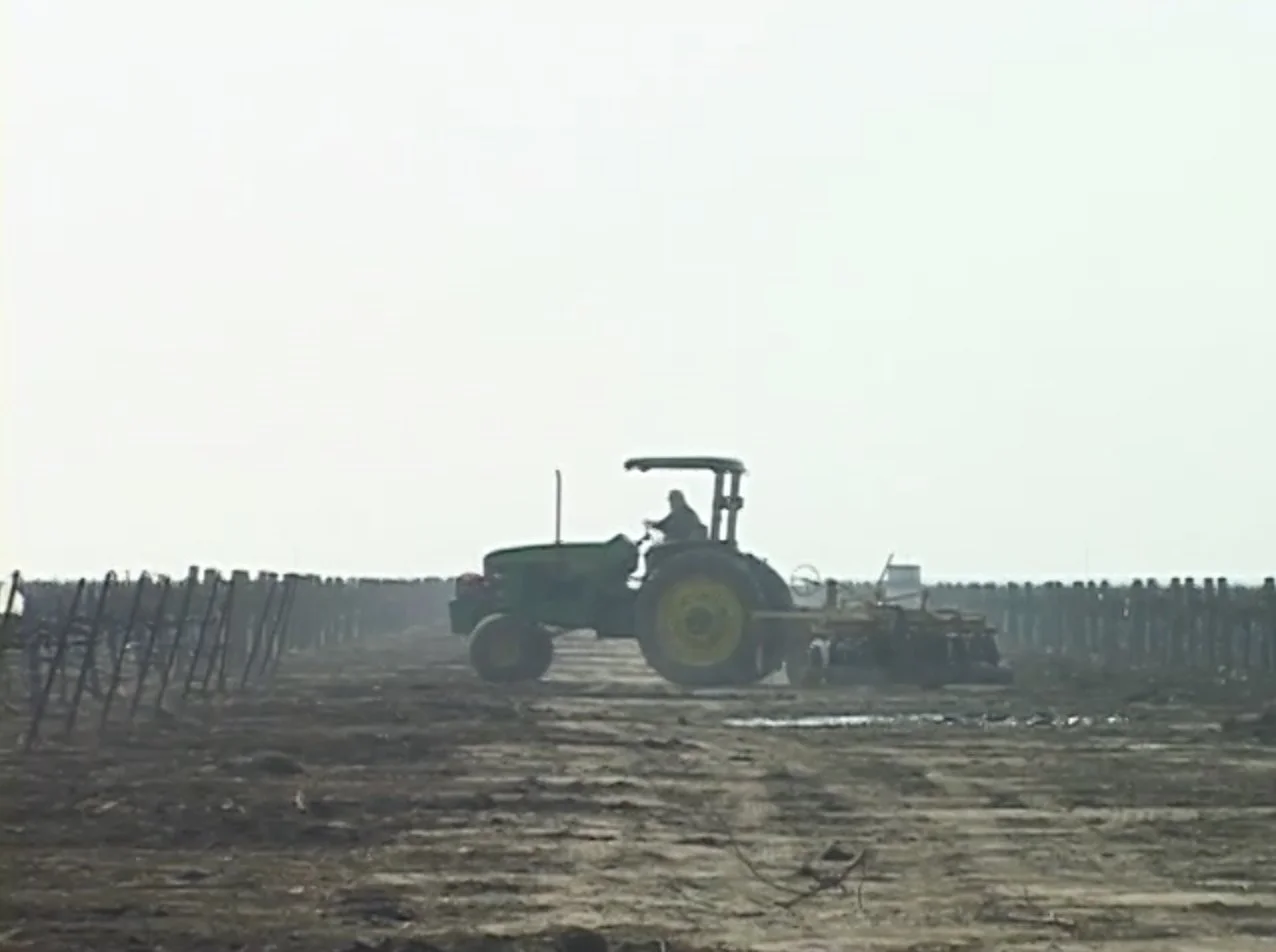
Asking one of the biggest questions surrounding today’s prison expansion, "Where do new prisons get built?", this 20-minute documentary explores why new prisons are being built and why they are typically placed in remote, rural communities.
To better understand what struggles we face today, we can look to history to help us interpret the present and our place within it. A brief yet compelling portrait of one of the U.S.’ most infamous rebellions, and a most brutal example of state repression that was deployed to destroy it.
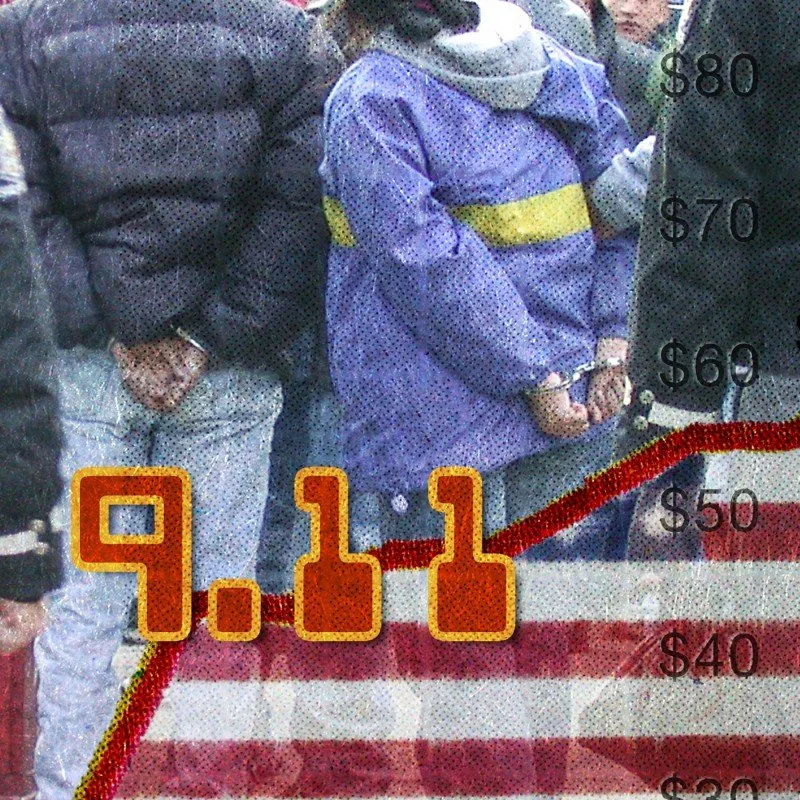
A nine minute video essay based upon the optimistic stock projections announced to Wall Street stock analysts by a private prison company, when Cornell Company made public its hopes that private prison companies may get fat government contracts to build interment camps for Arab Americans.
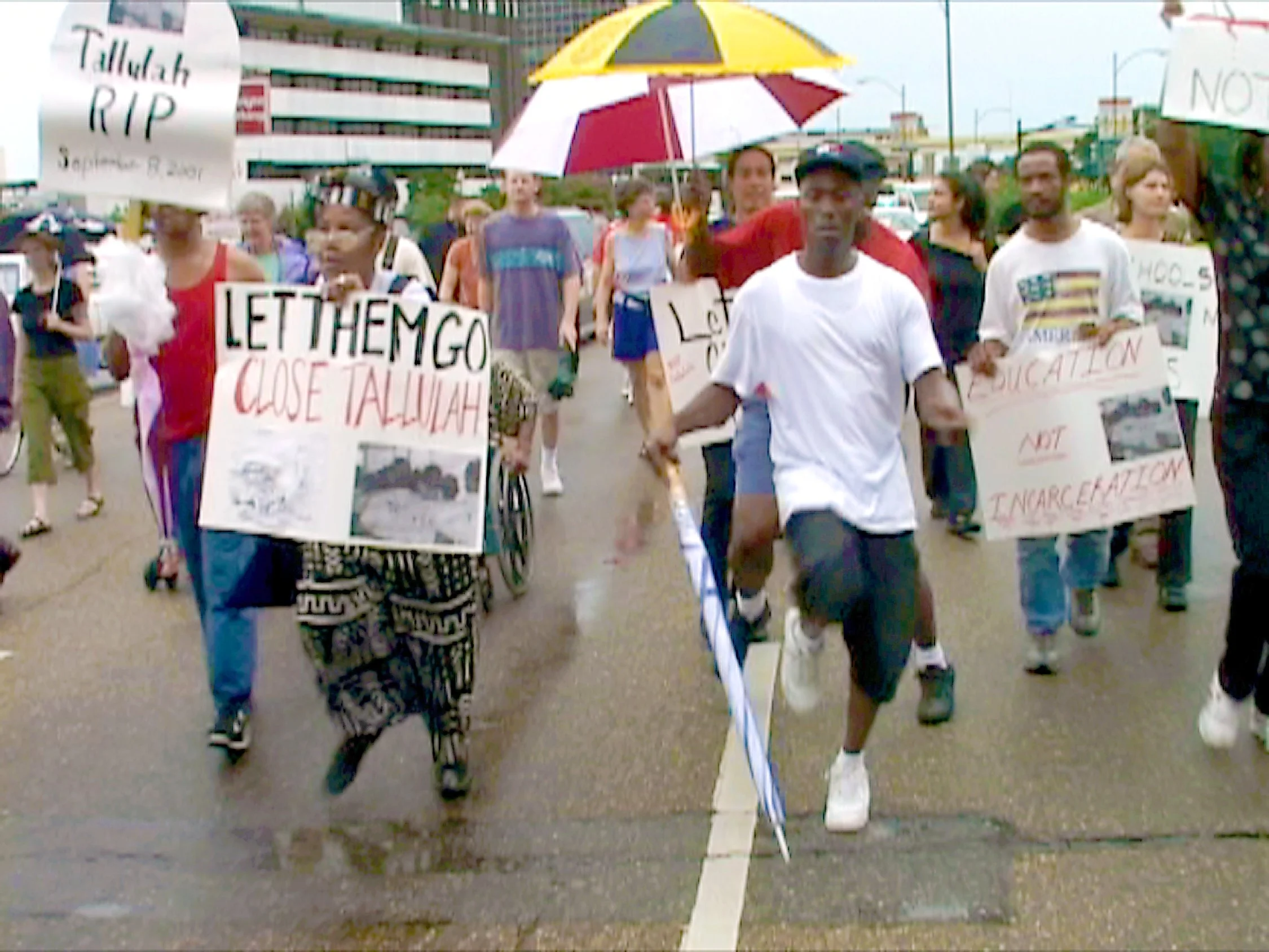
A grassroots protest dances its way through New Orleans on September 8th, 2001. Led by parents fed up with their children’s abuse at the hands of the state's notorious youth prison, this video documents their demand to shut it down.
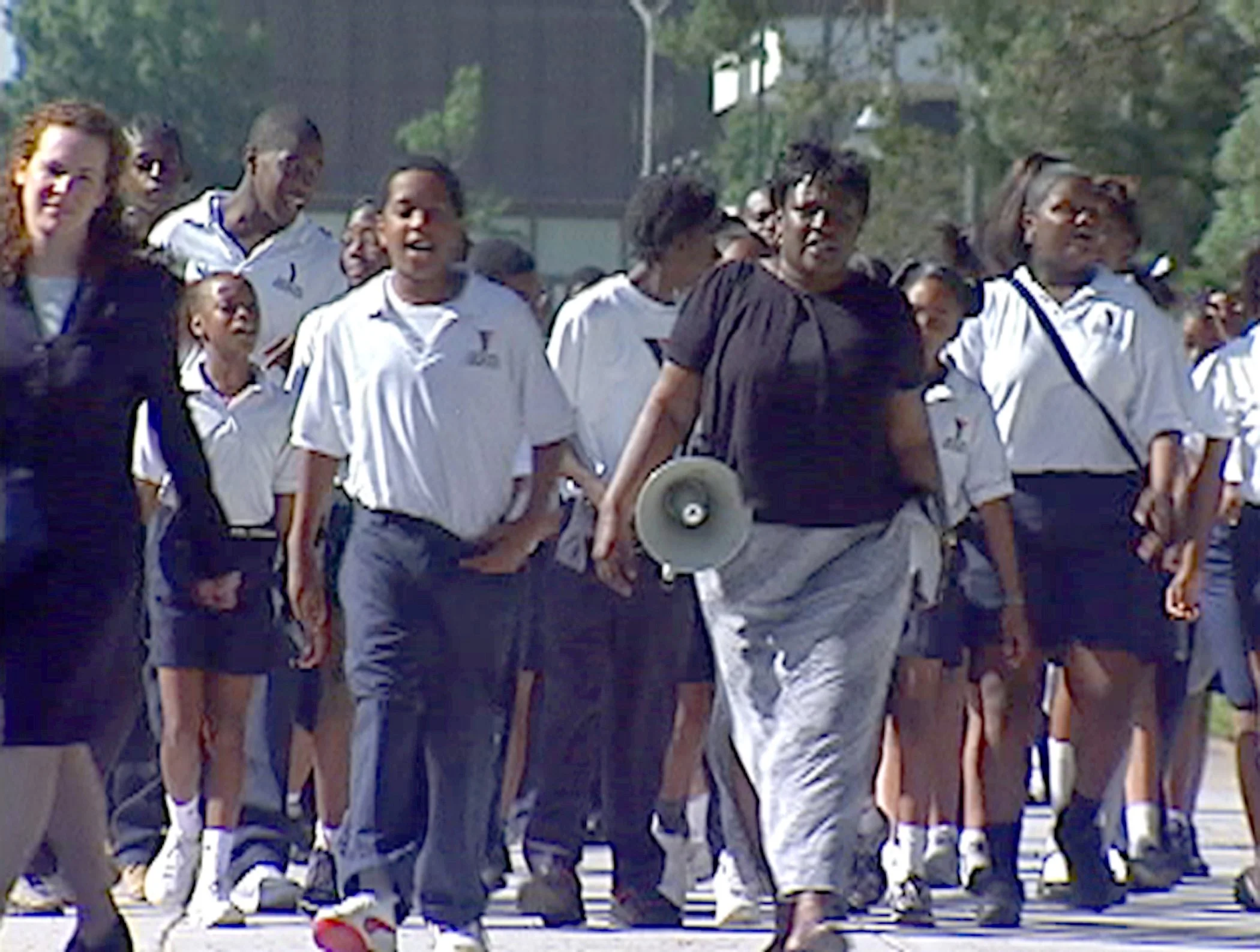
The second video following a campaign to shut down the notorious Tallulah youth prison in Northern Louisiana, following a movement of parents, community and advocates through public hearings where bereaved parents get the chance to spell out their frustrations to law makers and demand a prison be closed.
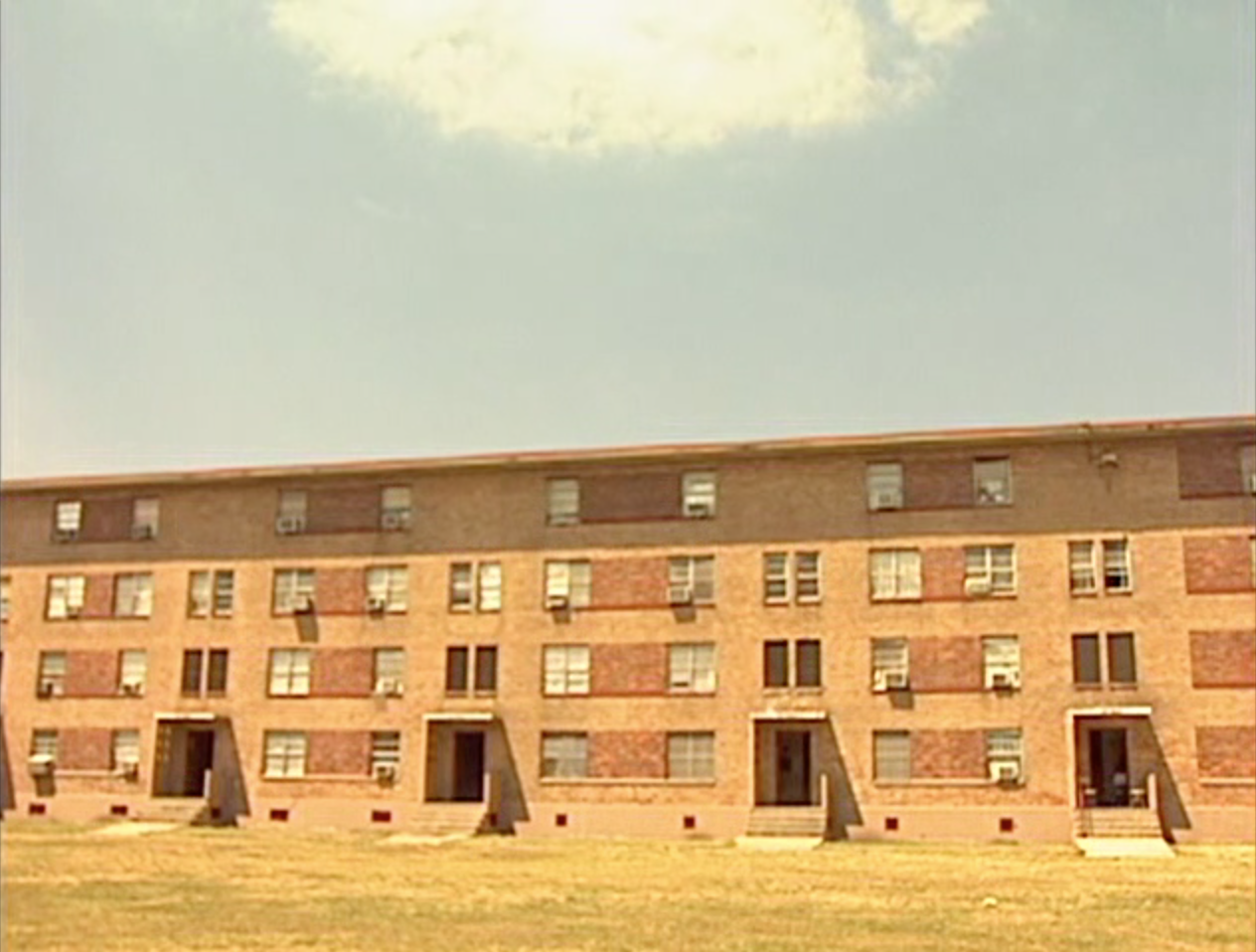
An accidental circustance of counter-surveillance to keep state power in check, it is a brief glimpse of the flexing of state power in communities whose voice is more criminalized than listened to and respected.
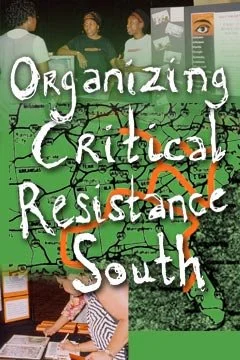
The first of two videos about Critical Resistance's Southern Conference, ORGANIZING CRITICAL RESISTANCE SOUTH is an 18 minute piece that follows the 2 year organizing process leading up to the conference. It was initially screened on the conference's opening night.
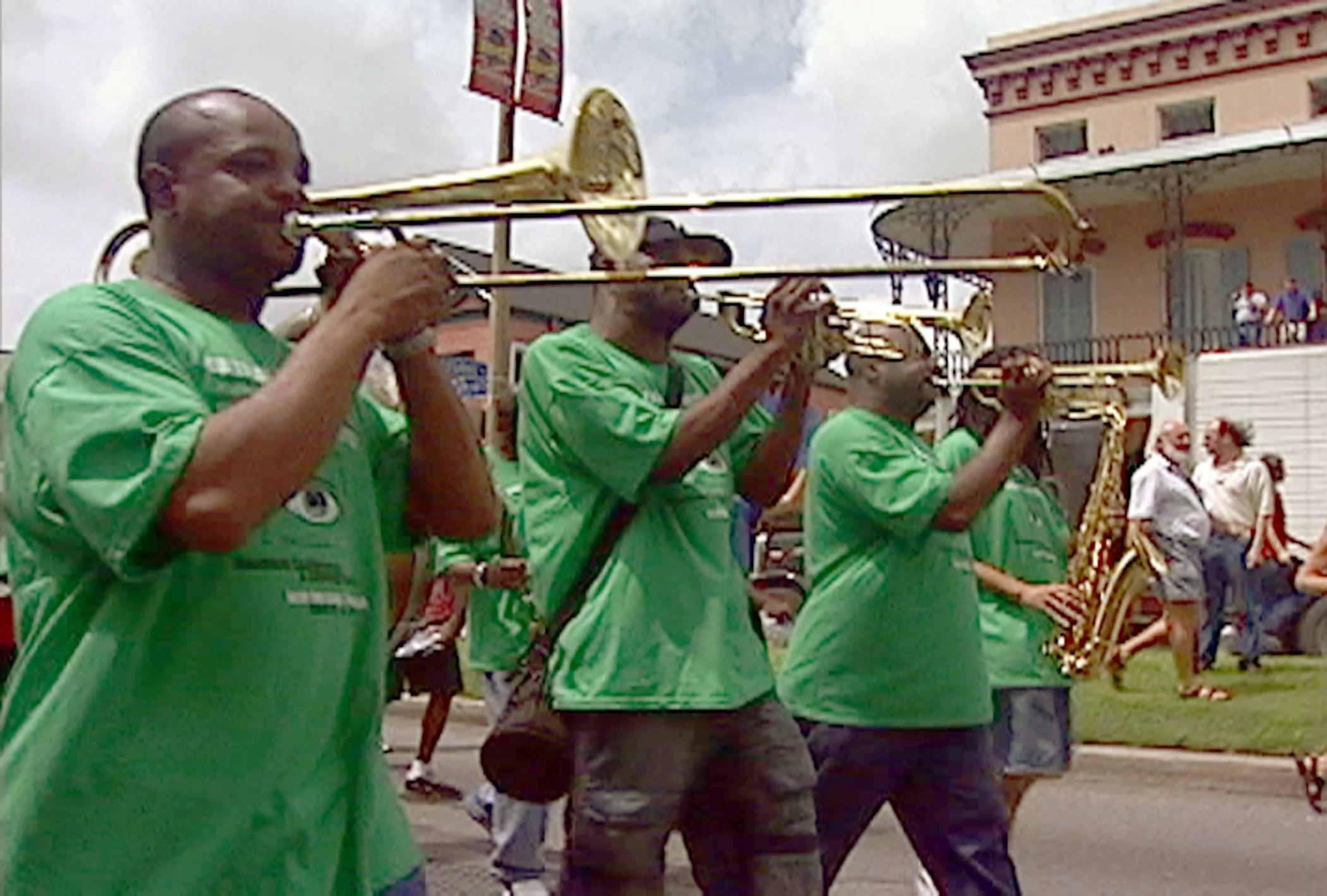
3,000 people from around the South and the U.S. pour into New Orleans’ Tremé community to share stories, responses and analyses of the growing prison system which affects so many in so many different but connected ways. One of the seminal Critical Resistance conferences that built today’s movement.
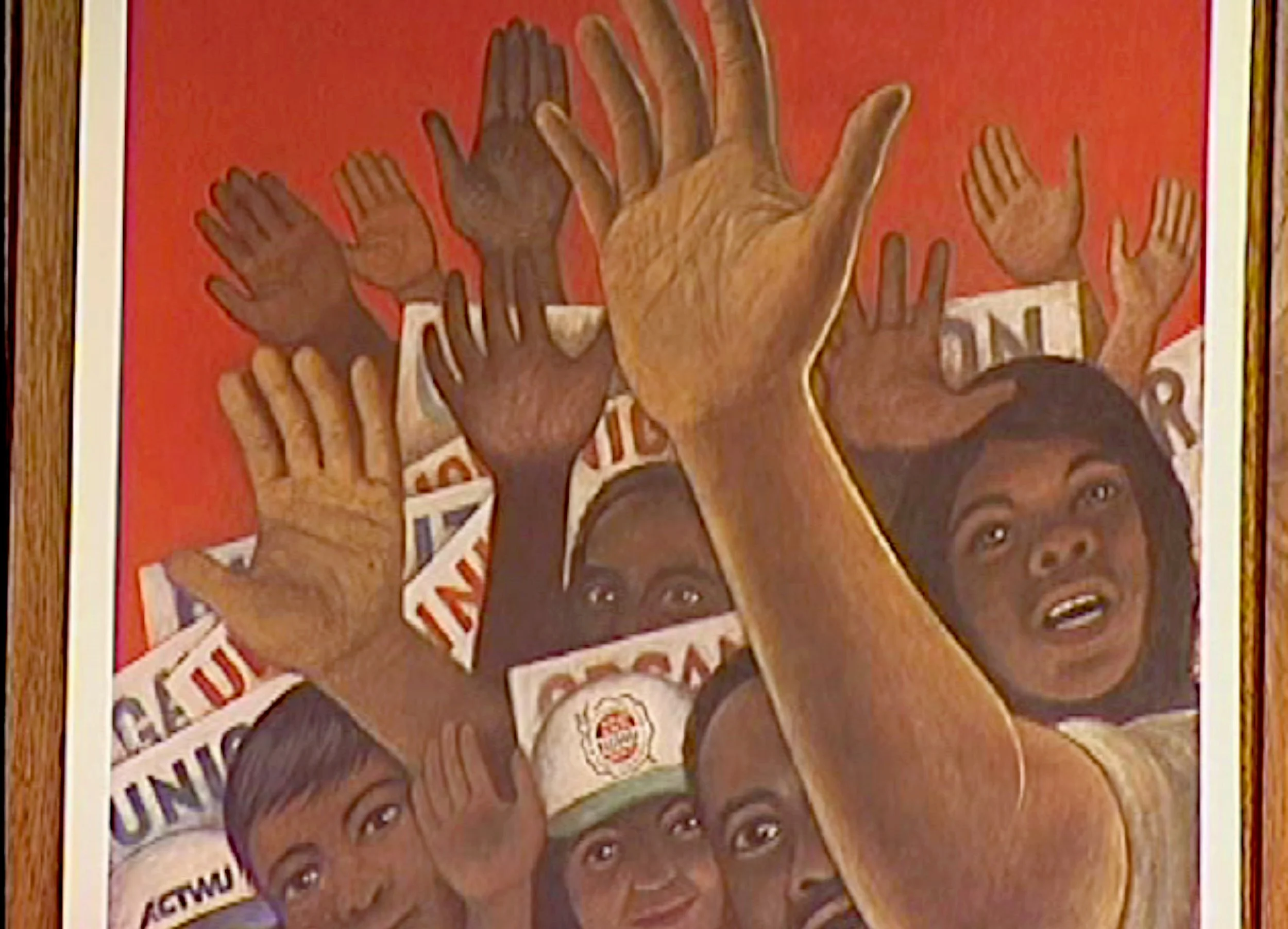
What begins as a simple dialogue on why a labor union for textile workers would support an anti-prison conference expands into a eloquent analysis of how globalization affects jobs and economy, how capital flight frames crime policy, and how race, gender and class prejudice the vision and potential of the Left.
Take a minute to write an introduction that is short, sweet, and to the point. If you sell something, use this space to describe it in detail and tell us why we should make a purchase. Tap into your creativity. You’ve got this.